 Castle
UNESCO
Castle
UNESCO
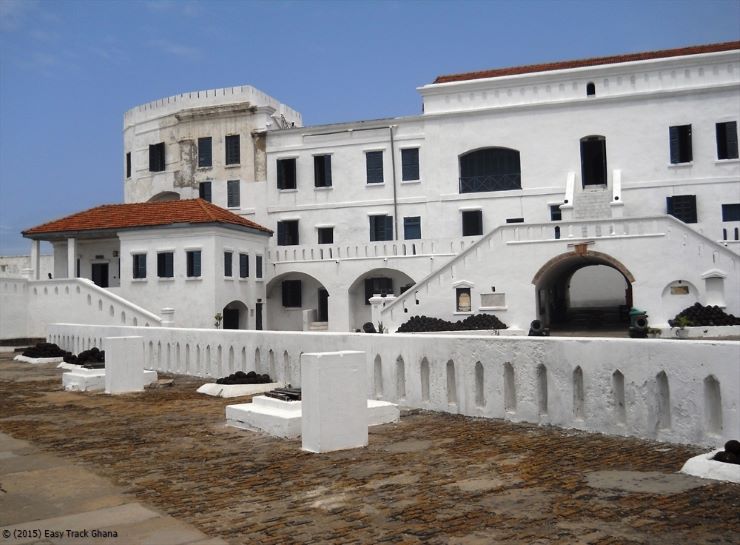
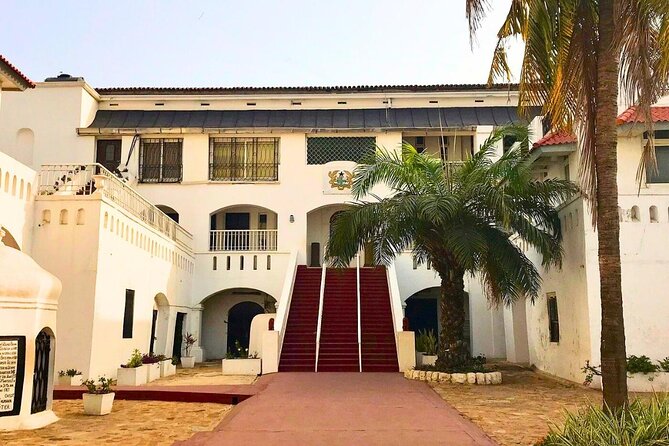
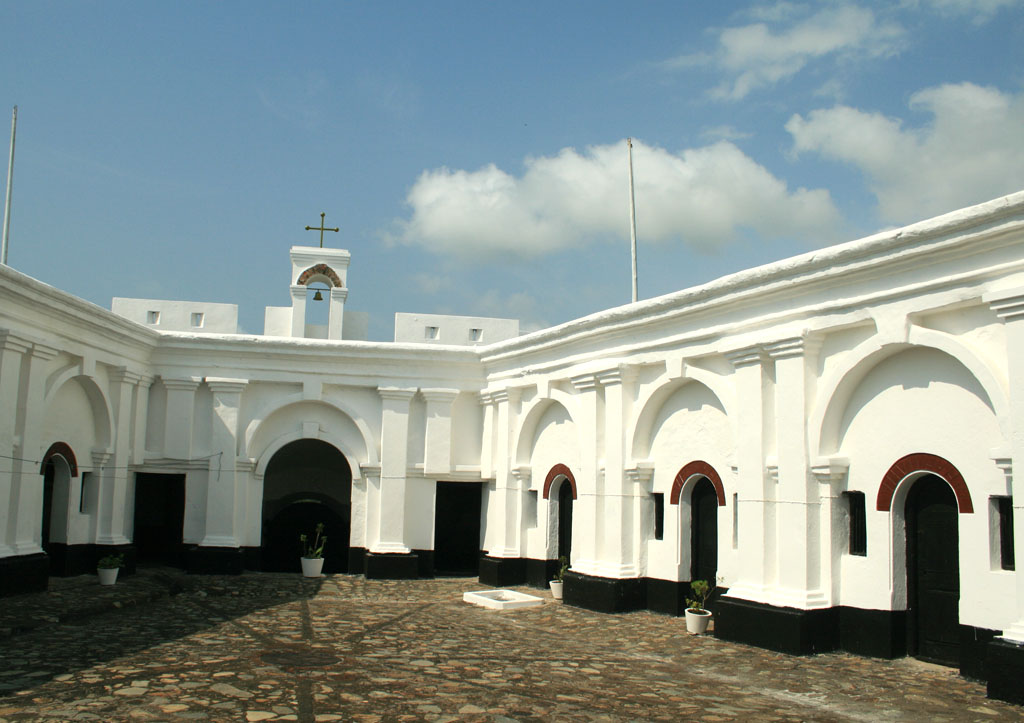
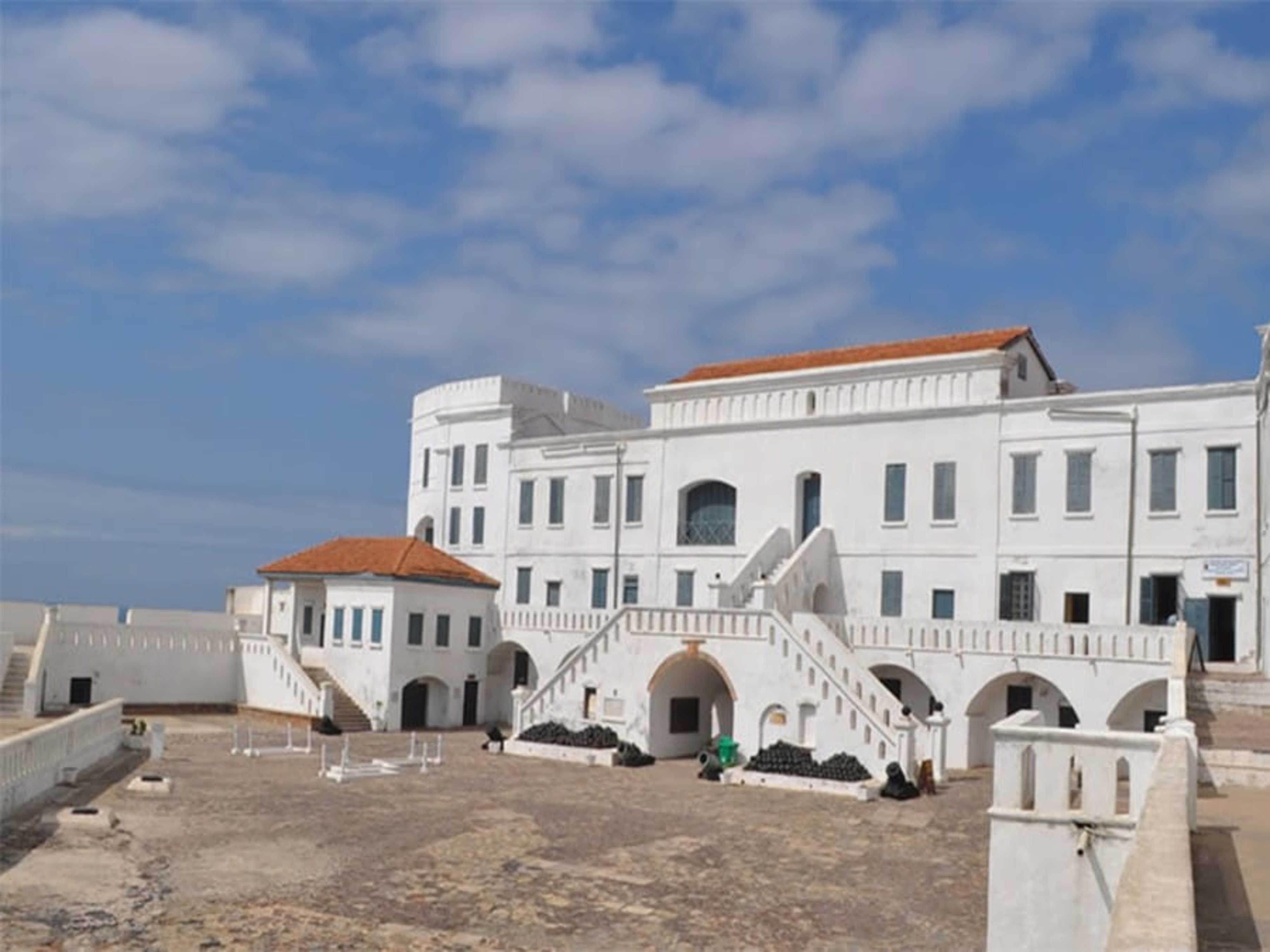
Cape Coast Castle
One of West Africa's most powerful monuments, Cape Coast Castle stands as an enduring testament to the transatlantic slave trade — and to the survival of the human spirit against oppression.
History
Originally constructed by Swedish traders around 1653, the castle passed through Danish and English hands before becoming a major hub of British colonial administration. For over two centuries, enslaved Africans were held in its notorious underground dungeons — known as "slave holes" — before being shipped across the Atlantic through the "Door of No Return." Estimates suggest more than 1,500 enslaved people were crammed into each dungeon at any given time, with little light, food or sanitation.
Significance Today
Designated a UNESCO World Heritage Site in 1979 alongside Ghana's other forts and castles, Cape Coast Castle now houses the Cape Coast Castle Museum, which documents the history of the slave trade with detailed exhibits, artefacts, and preserved dungeon corridors. It has become a pilgrimage site for members of the African diaspora — particularly during Ghana's "Year of Return" initiative — and receives hundreds of thousands of visitors annually.
- Built c. 1653
- Location Cape Coast
- Status UNESCO WHS (1979)
- Managed by Ghana Museums & Monuments Board
- Open Daily 9am – 5pm
- Entry Fee GHS 50 / USD ~4