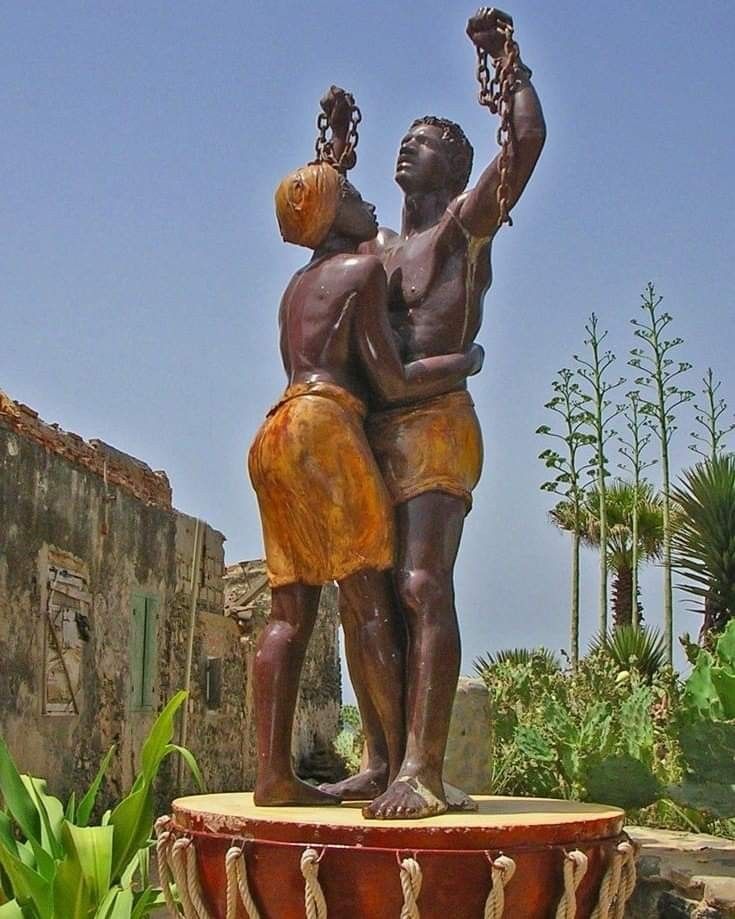
The area now known as Ghana was home to several powerful kingdoms throughout history:
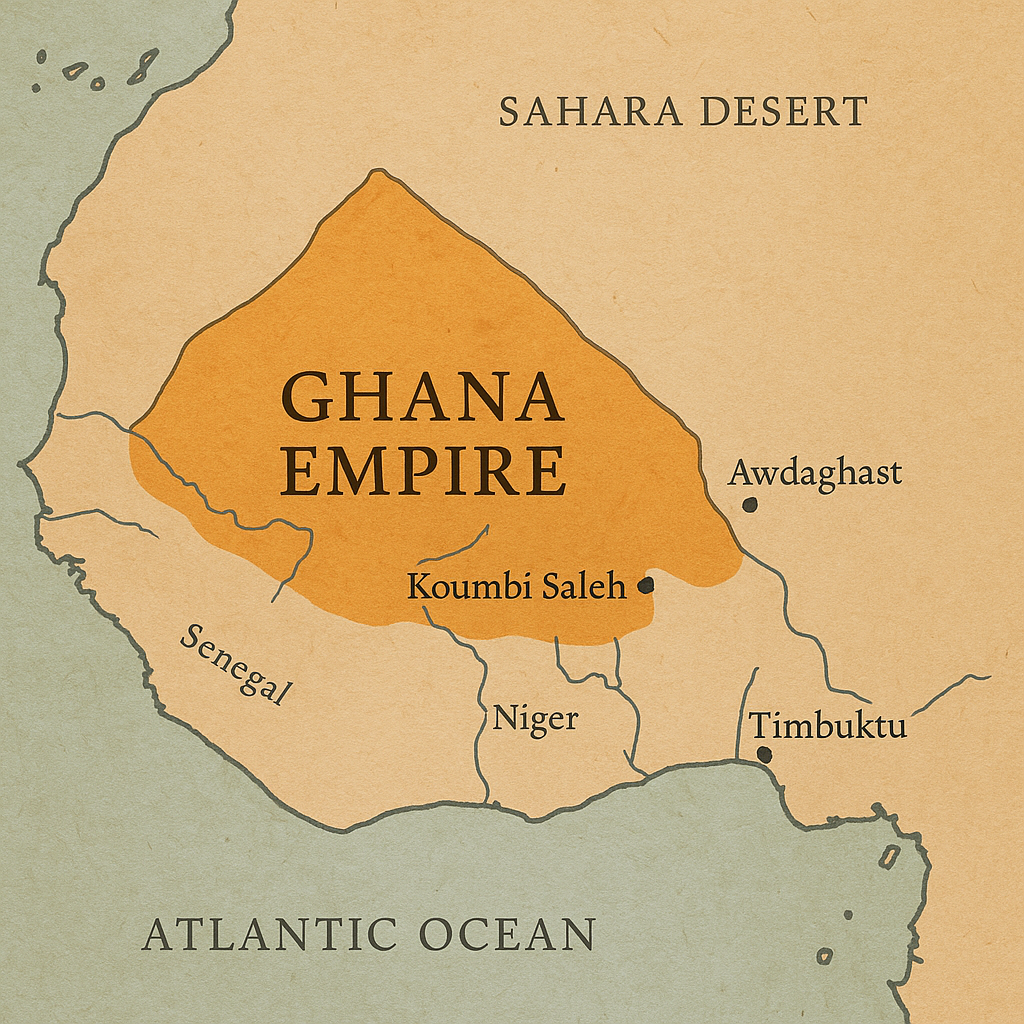
One of Africa's greatest empires, controlling trans-Saharan trade routes. The Ghana Empire, also called the Wagadou Empire, was situated in the western Sudan savannah region, between the Sahara Desert to the north and the forests to the south, encompassing modern southeastern Mauritania and western Mali. It flourished from at least the 6th century until the 13th century, eventually becoming a vassal of the rising Mali Empire.
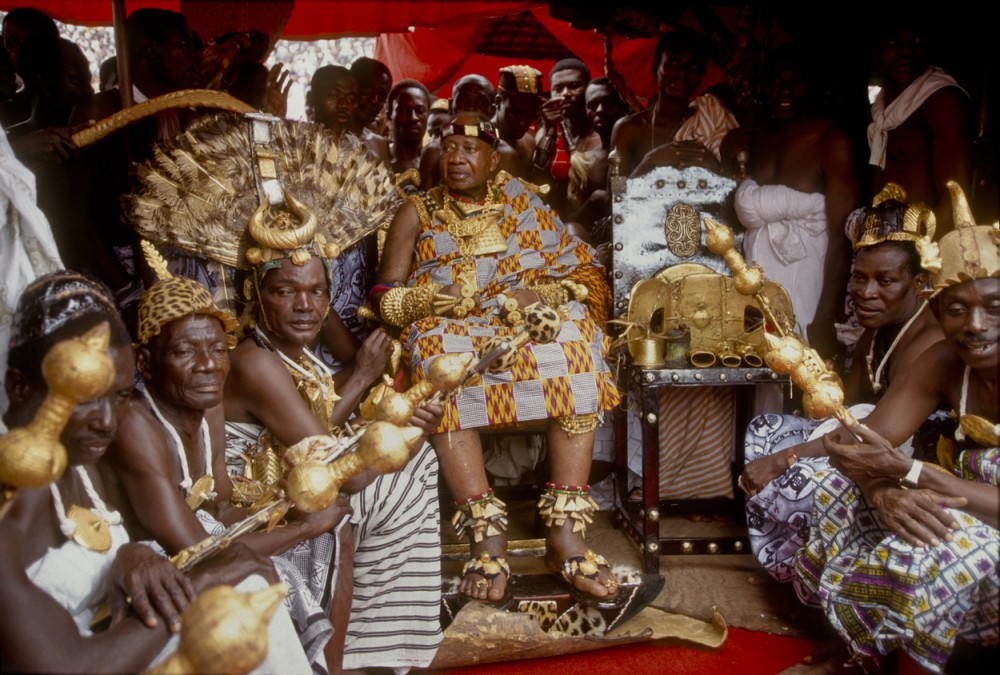
Known for its wealth, gold, and strong military organization. The Ashanti Kingdom, also known as the Asante Empire, was a powerful West African state that thrived from the late 17th century until the early 20th century, primarily in what is now Ghana. The Ashanti Kingdom was founded around 1701 by Osei Tutu, who united various Akan clans under a centralized authority.
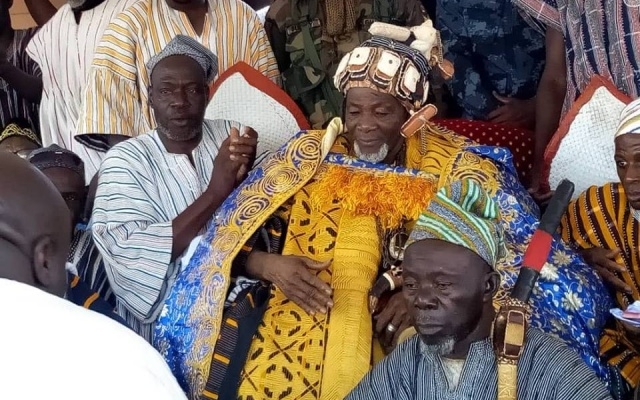
One of the oldest kingdoms in West Africa. The Kingdom of Dagbon (Dagbani: Dagbaŋ) is the oldest and one of the most organised traditional kingdoms in Ghana founded by the Dagomba people (Dagbamba) in the 15th century.
Discover the richness of Ghana's traditions through vibrant festivals, symbolic art, music, and timeless customs passed down through generations.
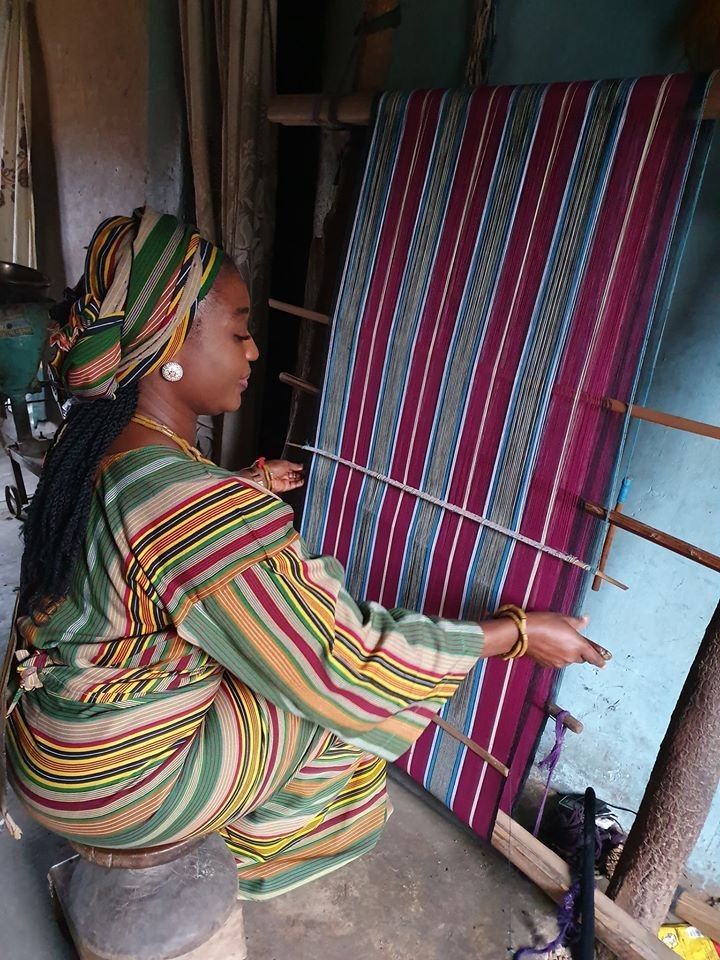
Symbol of royalty and culture. Kente is a Ghanaian textile, officially recognised as a geographical indication of Ghana to safeguard its authenticity and origin. It is made of hand-woven strips of silk and cotton. Historically, the fabric was worn in a toga-like fashion among the Asante, Akan and Ewe people. According to Asante oral tradition, it originated from Bonwire in the Ashanti Region of Ghana. In modern-day Ghana, the wearing of kente cloth has become widespread to commemorate special occasions, and kente brands led by master weavers are in high demand.
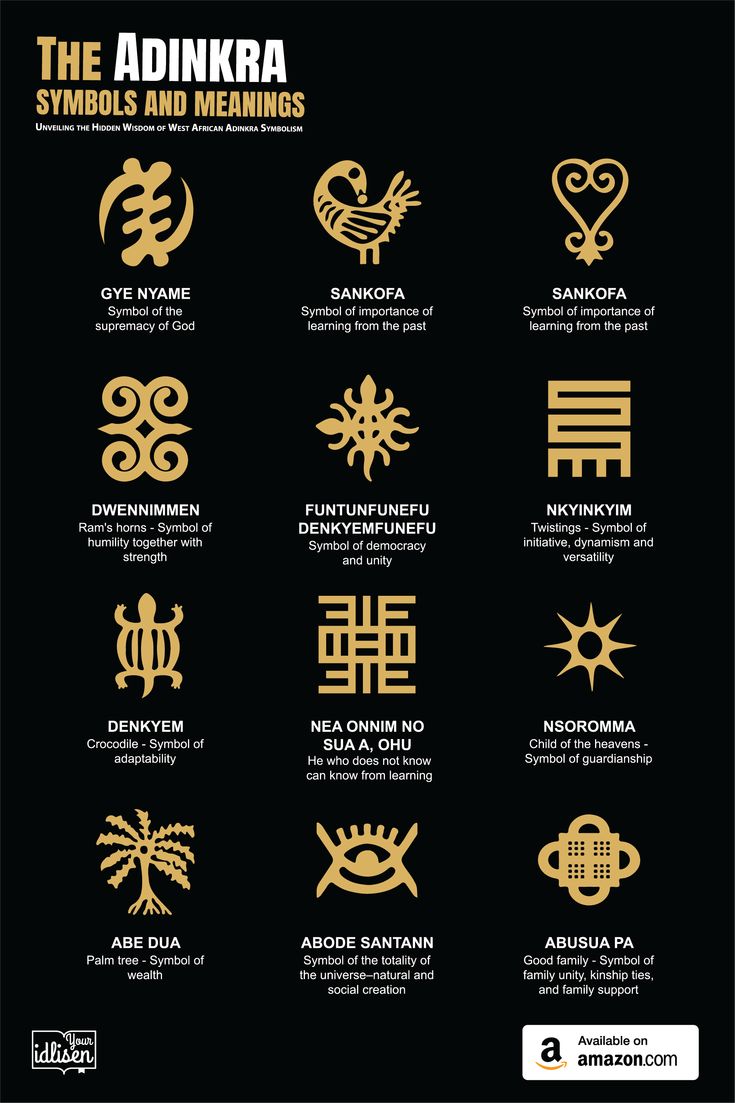
Represent wisdom and philosophy. Adinkra are visual symbols that represent concepts, proverbs, and aphorisms. They originated from the Akans of Ghana in the 1700s or before. Back then, they featured as prints on cloth which royals wore to important ceremonies. But they have transcended these Akan origins. They now grace logos, clothing, furniture, architecture, and more. These new usages embody a global recognition of their profound cultural significance.
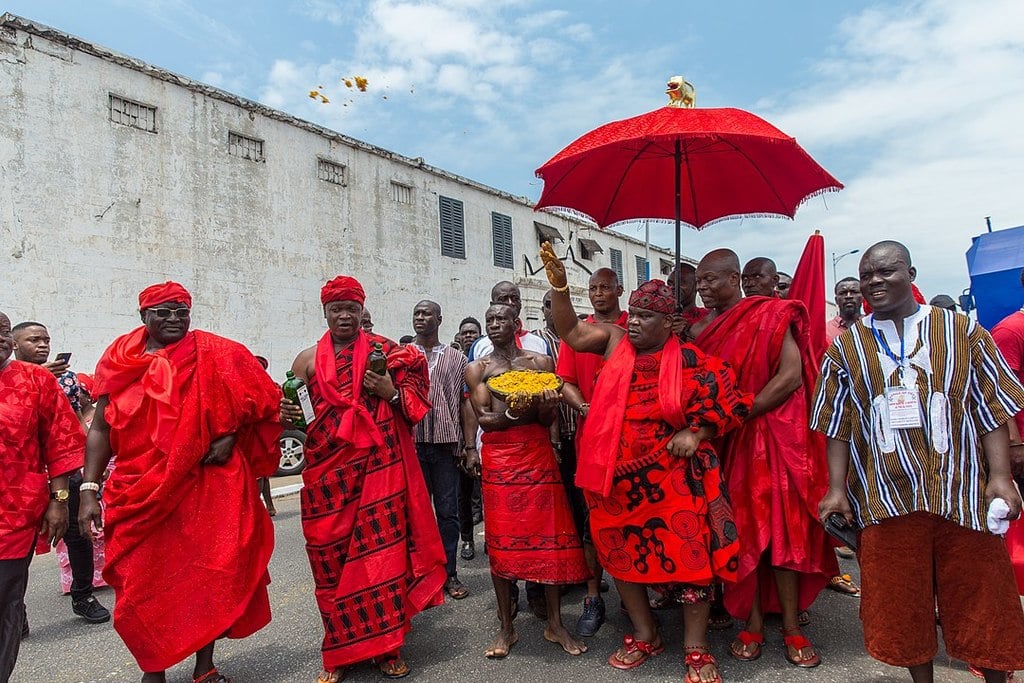
Symbol of royalty and culture. Festivals in Ghana are celebrated for many reasons pertaining to a particular tribe or culture, usually having backgrounds relating to an occurrence in the history of that culture. Examples of such occurrences have been hunger, migration, purification of either gods or stools, etc.
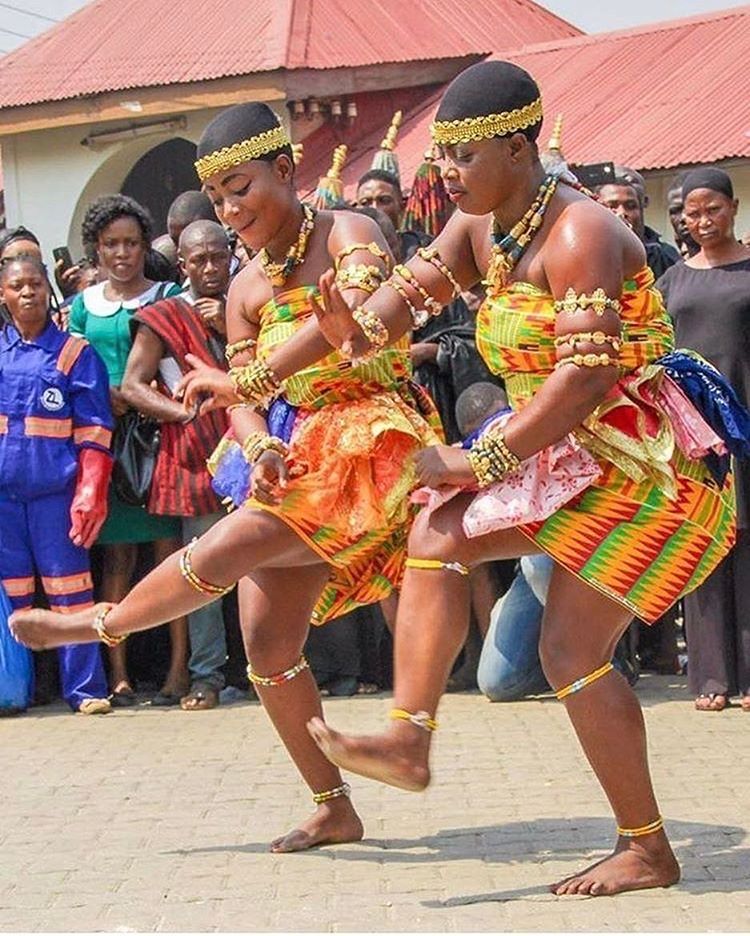
Represent wisdom and philosophy. The traditional musicology of Ghana may be divided geographically between the open and vast savanna area of northern Ghana inhabited by Ghanaians of Gur and Mande speaking groups and the southern forested and coastal areas, inhabited by Ghanaians speaking Kwa languages such as Akan.
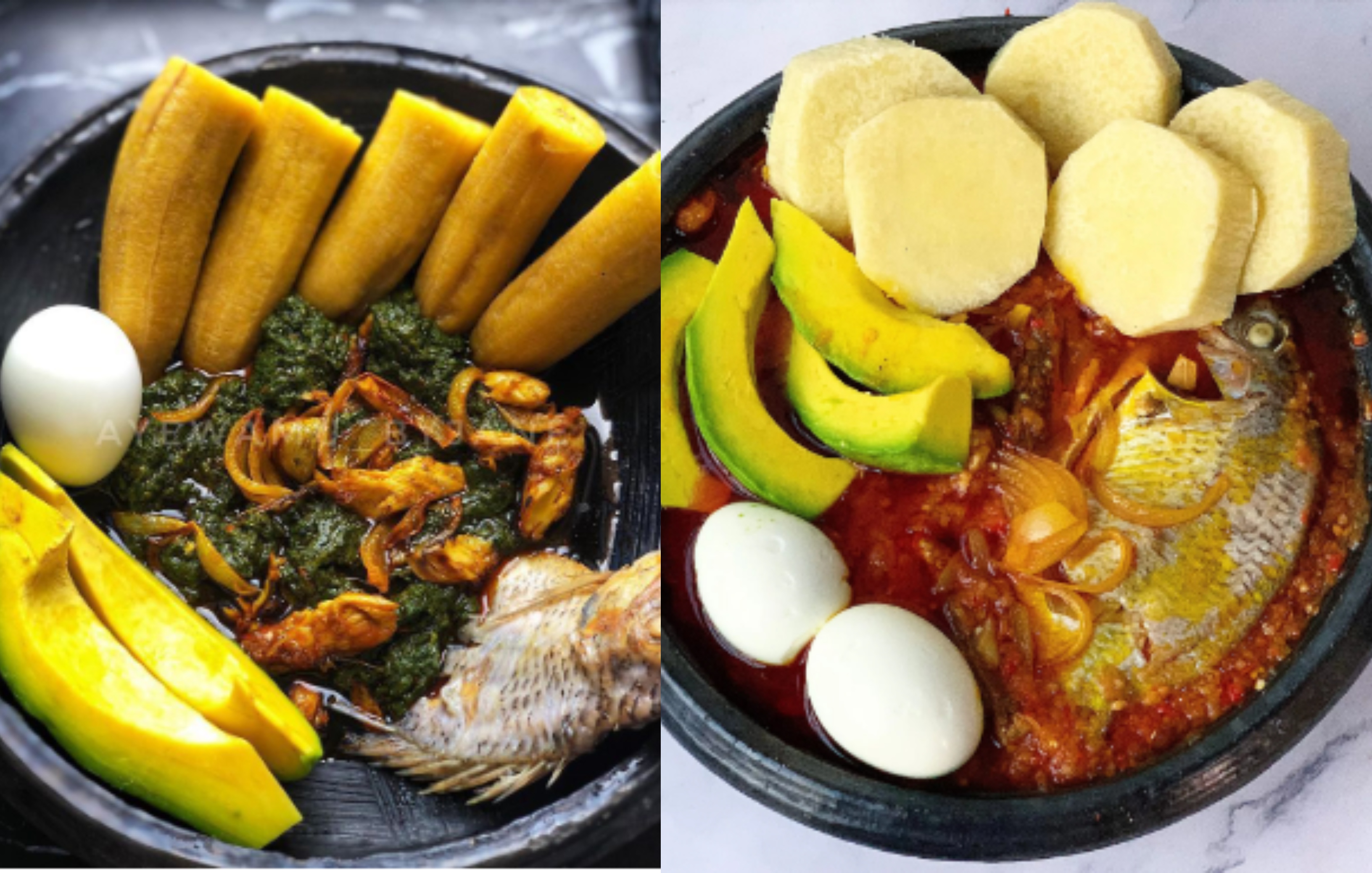
Symbol of royalty and culture. Ghanaian cuisine refers to the typical meals of the Ghanaian people. The main dishes of Ghanaian cuisine are centered around starchy staple foods, accompanied by either a sauce or soup and a source of protein. The primary ingredients for the vast majority of soups and stews are tomatoes, hot peppers, onions, and some local species. As a result of these main ingredients, most Ghanaian jollof rice, soups, and stews appear red or orange.
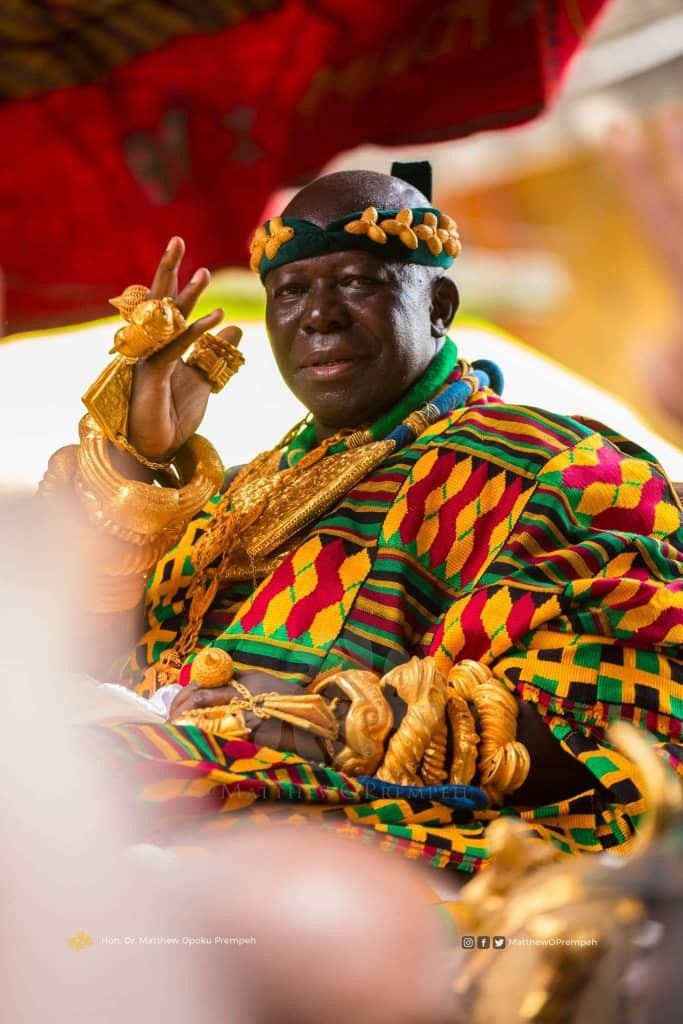
The chieftaincy system in Ghana is a structured and regulated system that governs the activities of local chieftains within the society and state. It has been in place since pre-colonial times and has been linked to Ghanaian politics since the colonial era. The system is governed by the Ghanaian constitution and the Chieftaincy Act of 2008. Chiefs are categorized into five groups based on their authority, reflecting a hierarchy system that divides chiefs between royalty and nobility.
Discover the richness of Ghana's traditions through vibrant festivals, symbolic art, music, and timeless customs passed down through generations.
Kente is a brightly colored fabric woven by the Akan people, symbolizing royalty, history, and cultural identity.
Watch video
Adinkra symbols represent wisdom, proverbs, and philosophical ideas, deeply rooted in Ghanaian traditions.
Watch video
Festivals like Homowo and Aboakyir celebrate history, harvest, and community through music, dance, and rituals.
Watch video
Drumming and dance are central to Ghanaian life, used in ceremonies, storytelling, and communication.
Watch video
Ghanaian dishes like jollof rice and fufu reflect rich flavors and communal dining traditions.
Watch video
Chiefs play a vital role in preserving customs, resolving disputes, and maintaining cultural heritage.
Watch video